
Worsening Abdominal Pain Needs Timely Care
If you have new or worsening abdominal pain, especially with fever, vomiting, or lower right tenderness, seek urgent hospital assessment. Suspected appendicitis should not wait for a routine clinic appointment or a website response.
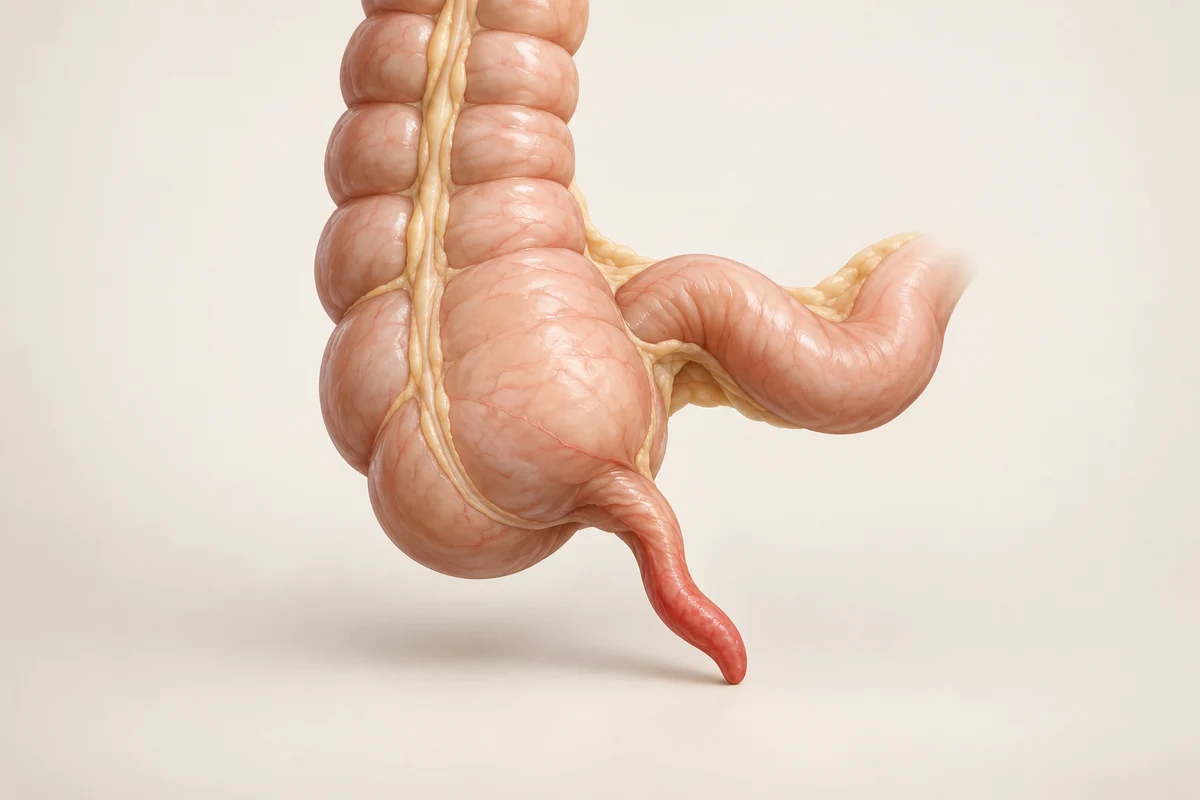
Appendicitis is inflammation and infection of the appendix. It can progress and lead to a burst appendix. The symptoms and timing vary, so the decision about urgent assessment should not depend on matching every point in an online checklist.
Symptoms Can Be Typical or Less Obvious
Pain may begin near the middle of the abdomen and move towards the lower right side. Nausea, reduced appetite, vomiting, or fever can occur. Movement or coughing may make the pain feel worse.
Children, older adults, and pregnant people may have a different pattern. Several urinary, bowel, and reproductive conditions can also cause abdominal pain. An in-person examination helps determine what is happening. Feeling uncertain about the cause is a reason to seek assessment, rather than a reason to wait.
What Hospital Assessment May Involve
The team asks when the pain started, how it has changed, and whether you have other symptoms. Examination, blood and urine tests, and selected imaging help guide the diagnosis. A pregnancy test may be appropriate depending on the circumstances.
Tell the team about regular medicines, allergies, previous operations, and any other health conditions. If symptoms change after an earlier assessment, seek reassessment. The meaning of an early test depends on the whole clinical picture and how that picture evolves.
What Laparoscopic Appendicectomy Means
Appendicectomy, also called appendectomy, removes the appendix. During a laparoscopic operation, a camera and instruments are introduced through small abdominal incisions under general anaesthesia. The surgeon assesses the abdomen and removes the appendix, dealing with infection as needed.
The findings can change the plan. An open operation, longer antibiotics, or additional care may be required when there is substantial inflammation or contamination. Ask the team to explain what was found and how that affects recovery. The removed appendix may be sent for laboratory examination.
Are There Other Treatment Paths?
Some carefully selected uncomplicated cases may be treated with antibiotics under a hospital team's supervision. This is an individual clinical decision, with a possibility of failure or later recurrence. It is not a reason to start antibiotics yourself or delay assessment.
An abscess or a burst appendix can call for a different sequence, which may include antibiotics, drainage, surgery, or staged treatment. Ask why the proposed approach suits the findings and what would make the team reconsider it.
Recovery Depends on What Was Found
Recovery after an uncomplicated operation is different from recovery after a burst appendix or an abscess. Eating, activity, medicines, and time in hospital depend on your condition and progress. A small external incision does not show everything that needed treatment inside.
Before discharge, ask about wound care, work, driving, exercise, and the first review. If your routine includes lifting, a long journey, or caring for someone else, explain that. Ask which medicines to take, how long to take them, and what to do if you cannot keep fluids or medicines down.
Symptoms After Discharge That Need Review
Increasing abdominal pain, repeated vomiting, fever, worsening wound redness, discharge, or feeling increasingly unwell needs medical reassessment. Follow the hospital's contact instructions, and seek emergency care for severe symptoms or breathing difficulty.
Complications discussed before surgery can include wound infection, an internal abscess, bleeding, injury to nearby structures, adhesions, and anaesthetic problems. Understanding the warning signs helps you act rather than waiting until a planned review.
Questions for the Treating Team
Ask: how certain is the diagnosis? Is there evidence of a burst appendix or abscess? Why is this treatment recommended? What should change over the next few days? Who should I contact if symptoms worsen?
When the urgent problem has been assessed, ask about discharge instructions, pathology results if relevant, and follow-up. Our Mumbai clinic can receive routine enquiries, but acute abdominal pain should go directly to a suitable hospital wherever you are in Mumbai or Navi Mumbai.
Sources & further reading
Educational information based on the sources below. This guide does not replace a personal clinical assessment.
Our editorial process. Educational information, not a personal diagnosis.