What you should know
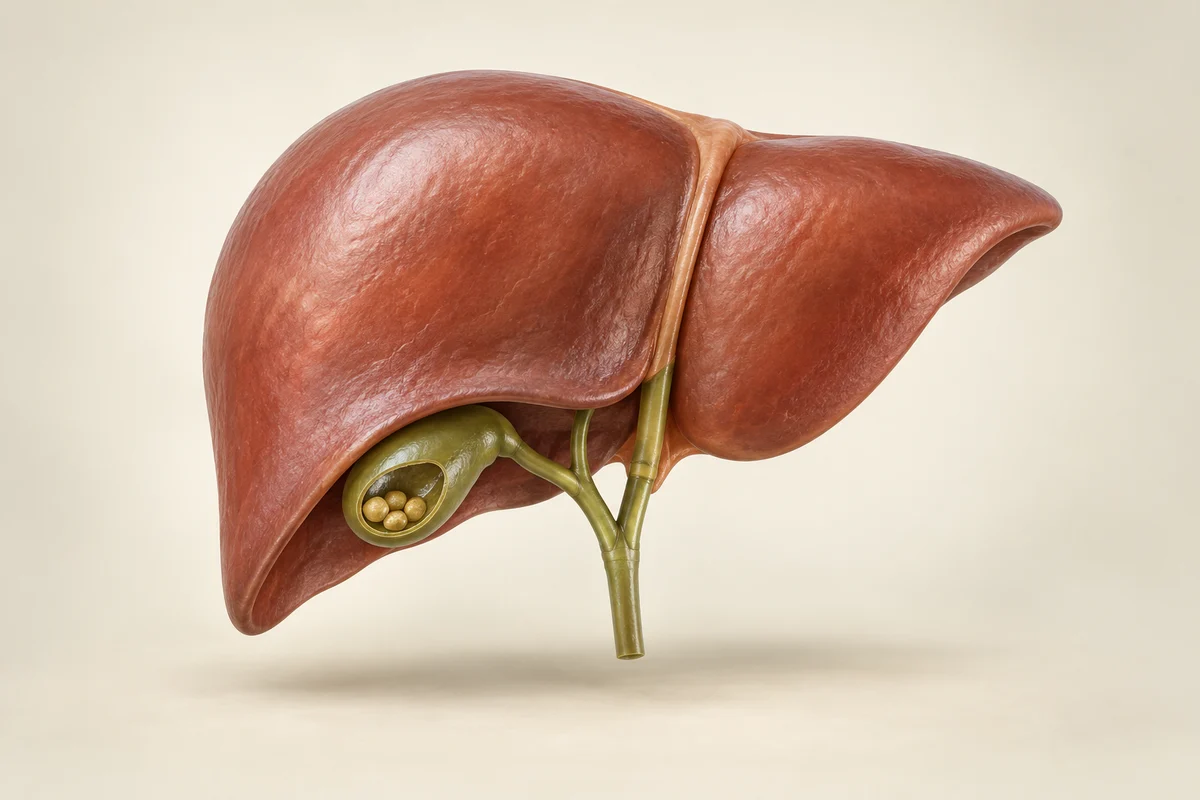
Laparoscopic cholecystectomy removes the gallbladder through small abdominal incisions. It is commonly considered when gallstones cause symptoms or complications. Stones found incidentally do not always need an operation.
Treat the reason for the pain, not just a finding on a scan.
Symptoms worth discussing
- Episodes of pain in the upper right or central abdomen
- Pain after meals, sometimes felt in the back or shoulder
- Nausea or vomiting accompanying the pain
- Fever or yellowing of the eyes, which needs prompt assessment
A diagnosis before a decision
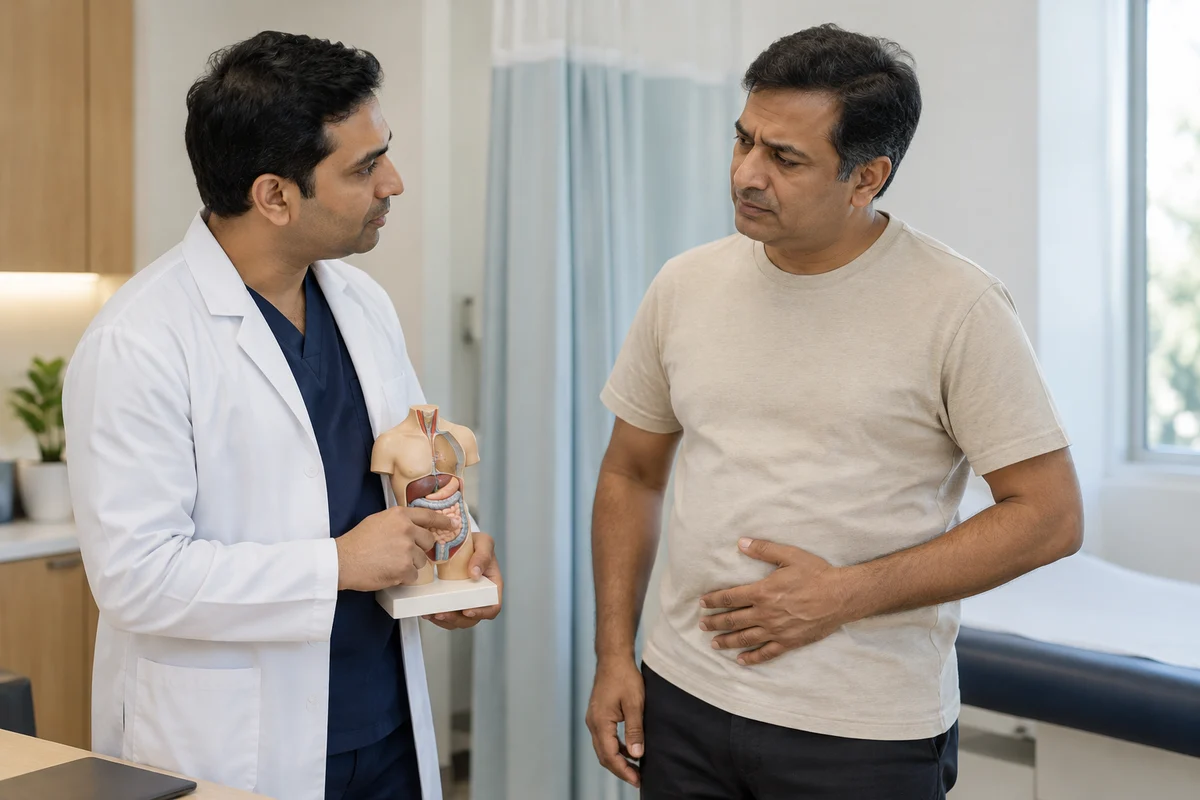
An ultrasound and blood tests commonly help assess gallstones, inflammation, and liver function. A suspected bile duct stone may need additional imaging or an endoscopic procedure. Tell your surgeon about previous pain attacks, jaundice, pancreatitis, operations, and regular medicines.
Bring previous reports, a list of medicines and allergies, and any relevant operation notes. Tell your clinician about blood thinners, diabetes medicines, and previous anaesthetic problems. Do not stop medicines without advice.
Understanding your options
Monitoring when appropriate
If gallstones are not causing symptoms, observation may be reasonable. Your clinician considers your health and specific risk factors before recommending a plan.
Laparoscopic removal
The gallbladder and its stones are removed, rather than taking out individual stones and leaving the gallbladder. A camera and fine instruments are used through small incisions.
Treatment for complicated gallstones
Inflammation, pancreatitis, or stones in the bile duct may change the timing and sequence of treatment. Some patients need ERCP or an open operation.
What treatment can involve
Under general anaesthesia, the surgeon identifies the gallbladder and its connections, seals the cystic duct and artery, and removes the gallbladder. An additional duct assessment or a change to open surgery may be needed when anatomy or inflammation makes keyhole surgery unsafe.
Your treating team should explain preparation, fasting when needed, anaesthesia, consent, hospital stay, and who will be available if you have concerns after discharge.
Recovery at your pace
You can live without a gallbladder. A gradual return to normal meals and activity is common, guided by your team. Some people notice temporary digestive changes. Hospital stay and time away from work depend on inflammation, other procedures, complications, and the type of work you do.
Risks to discuss with your surgeon
- Bleeding, infection, bile leakage, or retained bile duct stones
- Injury to the bile duct, bowel, blood vessels, or nearby organs
- Digestive symptoms or persistent abdominal symptoms
- Conversion to open surgery, blood clots, or anaesthetic complications
When to seek urgent care
Severe persistent abdominal pain, fever, yellow eyes or skin, repeated vomiting, breathlessness, or worsening pain after surgery needs urgent medical attention.
Costs, insurance, and your location
For treatment in Mumbai or Navi Mumbai, request a written estimate after the clinical assessment. The procedure, hospital, anaesthesia, tests, devices or consumables, and follow-up can affect the total. Ask about exclusions and charges if the plan changes.
Insurance cover and cashless approval depend on your policy, diagnosis, hospital, and insurer. Confirm them directly before committing. No insurance approval or fixed price is implied by this guide.
Frequently asked questions
Do gallstones always need surgery?
No. Symptoms and complications matter. Your surgeon explains whether observation or removal is appropriate in your case.
Can only the stones be removed?
For symptomatic gallbladder stones, removing the gallbladder is the usual surgical treatment. Bile duct stones are a different issue and may require ERCP.
Can I eat normally after surgery?
Most people gradually return to a normal balanced diet. If foods trigger symptoms during recovery, discuss them with your team.
Is same-day discharge guaranteed?
No. Some uncomplicated patients can leave the same day, while others need monitoring or a longer stay.
Sources & further reading
Educational information based on the sources below. This guide does not replace a personal clinical assessment.
Written by Nivaya Health Editorial Team. How we prepare our guides.