What you should know
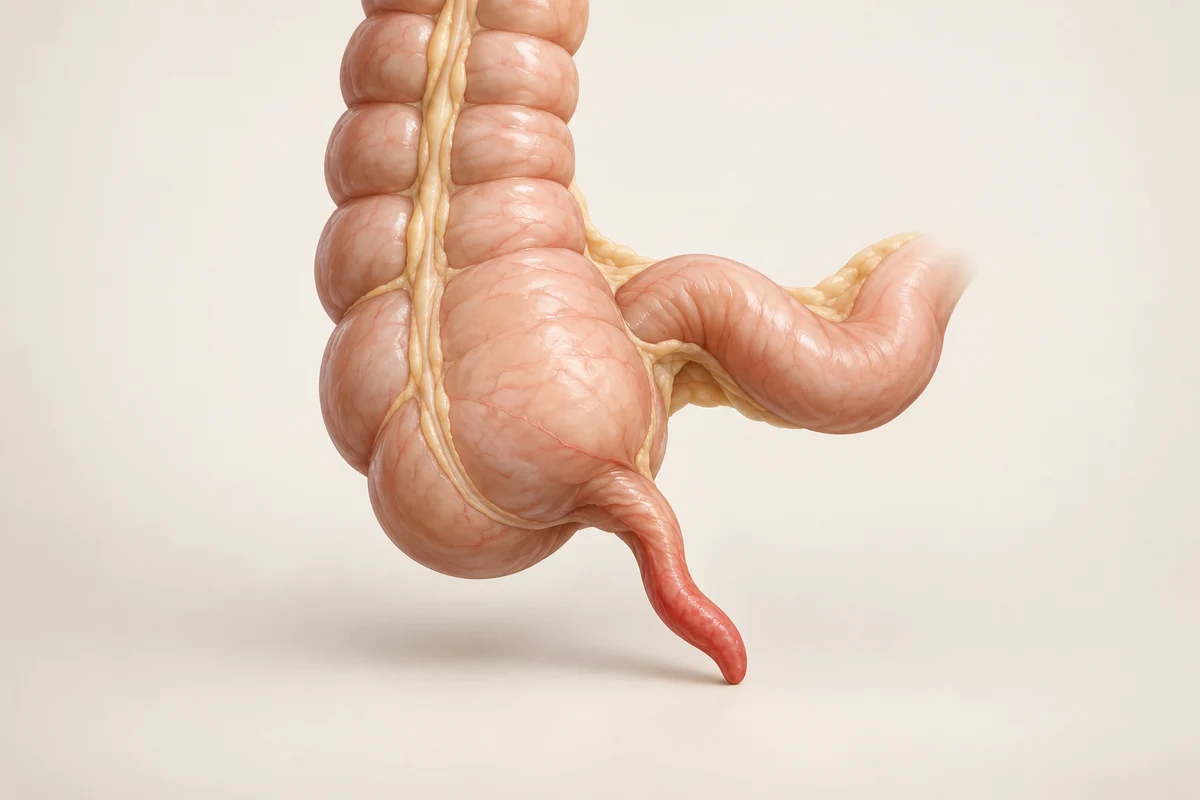
Appendicectomy, also called appendectomy, removes an inflamed appendix. Laparoscopy uses a camera and small incisions. Appendicitis can worsen and cause a burst appendix, so suspected symptoms need urgent in-person care.
With suspected appendicitis, getting assessed comes first.
Symptoms worth discussing
- Abdominal pain that may move towards the lower right side
- Pain that becomes worse with movement or coughing
- Loss of appetite, nausea, or vomiting
- Fever or increasing tenderness; symptoms can be atypical
A diagnosis before a decision
An urgent examination, blood and urine tests, and selected imaging help identify the cause of pain. A pregnancy test may be appropriate. Other conditions can mimic appendicitis, and a normal early scan does not replace reassessment if symptoms worsen.
Bring previous reports, a list of medicines and allergies, and any relevant operation notes. Tell your clinician about blood thinners, diabetes medicines, and previous anaesthetic problems. Do not stop medicines without advice.
Understanding your options
Laparoscopic appendicectomy
Keyhole surgery is commonly used to remove the appendix and assess the abdomen. The urgency depends on the findings and your condition.
Antibiotics in selected circumstances
Some carefully selected uncomplicated cases may be managed with antibiotics under a hospital team. Recurrence and failure are possible. This is not a self-treatment option.
Open or staged treatment
A burst appendix, abscess, or severe inflammation may need an open operation, drainage, antibiotics, or a staged plan. Your hospital team decides what is safest.
What treatment can involve
Under general anaesthesia, the surgeon inspects the abdomen, seals and removes the appendix, and deals with contamination when present. An open operation may be needed. The appendix may be sent for laboratory examination. Antibiotics and time in hospital depend on the findings.
Your treating team should explain preparation, fasting when needed, anaesthesia, consent, hospital stay, and who will be available if you have concerns after discharge.
Recovery at your pace
Recovery after an uncomplicated operation differs from recovery after a burst appendix or abscess. Your team advises when you can eat, leave hospital, return to work, and resume exercise. Worsening pain, vomiting, or fever after discharge needs reassessment rather than waiting for the next appointment.
Risks to discuss with your surgeon
- Wound infection, bleeding, or an abscess inside the abdomen
- Injury to nearby structures or a need for open surgery
- Adhesions that can occasionally lead to bowel obstruction
- Blood clots and complications related to anaesthesia
When to seek urgent care
New or worsening abdominal pain, especially with fever, vomiting, or lower right tenderness, needs urgent hospital assessment. Go straight to an emergency department rather than waiting to book a routine consultation.
Costs, insurance, and your location
For treatment in Mumbai or Navi Mumbai, request a written estimate after the clinical assessment. The procedure, hospital, anaesthesia, tests, devices or consumables, and follow-up can affect the total. Ask about exclusions and charges if the plan changes.
Insurance cover and cashless approval depend on your policy, diagnosis, hospital, and insurer. Confirm them directly before committing. No insurance approval or fixed price is implied by this guide.
Frequently asked questions
Can I wait for a clinic appointment if I suspect appendicitis?
No. Suspected appendicitis needs urgent hospital assessment, especially if pain is worsening or accompanied by fever or vomiting.
Does all lower right abdominal pain mean appendicitis?
No. Several bowel, urinary, and reproductive conditions can cause similar pain. An examination and appropriate tests are needed.
Is keyhole surgery possible after an appendix has burst?
It may be, but your condition, contamination, and operative findings determine the safest approach.
When can I return to work?
The timing depends on complications, wound healing, energy levels, and the physical demands of work. Follow the discharge advice from your hospital.
Sources & further reading
Educational information based on the sources below. This guide does not replace a personal clinical assessment.
Written by Nivaya Health Editorial Team. How we prepare our guides.