
A Scan Finding and a Treatment Decision
An ultrasound report can raise a lot of questions, especially if it mentions gallstones. The next step is to understand whether those stones explain your symptoms and whether there have been complications. Stones found by chance do not always require an operation.
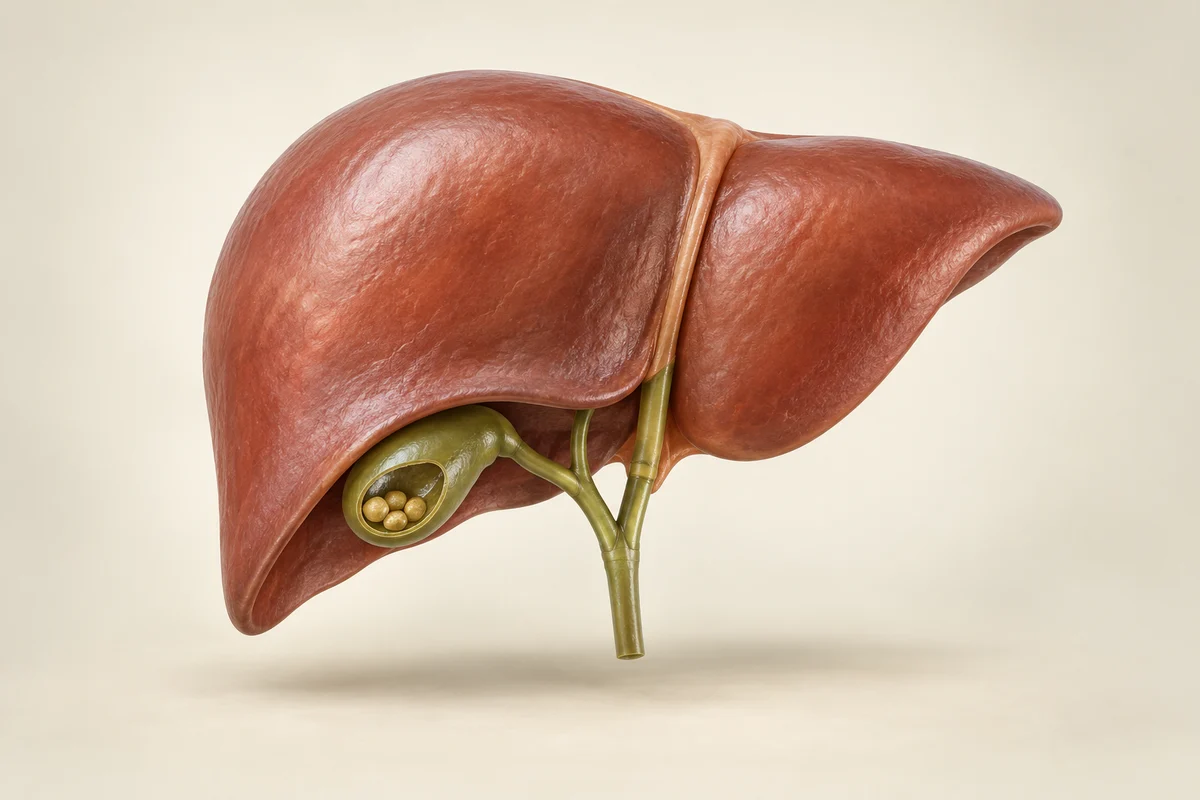
The gallbladder stores bile, which helps digest food. A cholecystectomy removes the gallbladder. Laparoscopic cholecystectomy uses small abdominal incisions and a camera. Your symptoms, tests, and general health determine when this is an appropriate option.
Describe the Pain and Previous Episodes
Tell the clinical team where the pain occurs, how long an episode lasts, whether it follows meals, and whether it has led to vomiting, fever, or hospital visits. Mention yellowing of the eyes, pancreatitis, and any earlier treatment for bile duct stones.
Bring the ultrasound report and images if available, blood results, discharge summaries, and a medicines list. A clear history helps the team assess whether additional investigation is needed before agreeing a plan.
Why the Bile Ducts May Need Attention
Gallbladder stones and stones in the main bile duct can require different steps. Blood tests and imaging help the team look for inflammation or a blockage. Further imaging or an endoscopic procedure such as ERCP may be advised in selected cases.
Ask what the tests are intended to answer. If more than one procedure is being discussed, ask about their order and whether they affect the expected stay or recovery. An individual plan should make the sequence understandable.
What the Operation Involves
During laparoscopic removal under general anaesthesia, the surgeon identifies the gallbladder and its connections, controls the relevant duct and blood supply, and removes the organ. The usual surgery removes the gallbladder with its stones rather than taking out individual stones and leaving it behind.
Inflammation or difficult anatomy can make an open approach safer. Ask whether additional duct assessment might be needed and what conversion to open surgery would mean for the hospital stay. These possibilities should be discussed before consent.
Preparing for Admission and Going Home
Confirm the instructions for fasting, medicines, arrival time, and someone accompanying you. Discuss any previous anaesthetic problems and other conditions that may affect preparation. Do not adjust blood thinners or diabetes treatment without individual advice.
Ask what must be checked before discharge and who will explain the wound-care instructions. Some uncomplicated patients go home the same day, while others need monitoring or a longer admission. Plan transport and help at home with room for the actual clinical decision.
Eating, Activity, and Recovery
People can live without a gallbladder. The return to meals and activity should follow the treating team's advice. Some notice digestive changes during recovery. Ask what to do if particular meals cause symptoms or if changes persist.
Work, driving, exercise, and lifting may restart at different times. Describe a long commute or physical job at the consultation so the advice fits your routine. If an open operation or additional treatment was needed, ask for an updated recovery plan before leaving hospital.
Complications and When to Seek Help
Discuss bleeding, infection, bile leakage, retained duct stones, injury to nearby structures, blood clots, and anaesthetic risks. The consent discussion should explain which issues are especially relevant to your case and how the team would respond.
Severe or worsening abdominal pain, fever, yellow eyes or skin, persistent vomiting, or breathlessness needs urgent medical assessment. After an operation, do not assume every new symptom is part of normal healing. Use the discharge contact details, or emergency care when symptoms are severe.
Questions That Make the Plan Clearer
Ask: do the stones explain my symptoms? Why is removal advised now? Do the bile ducts need further assessment? Could the operation change? What follow-up is included?
For planned treatment in Mumbai, request an estimate that separates the surgical admission from any additional investigation or procedure. Clarify medicines, consumables, tests, and follow-up. If you live in Navi Mumbai, factor in the journey and an accompanying adult when the anaesthetic advice requires one.
Sources & further reading
Educational information based on the sources below. This guide does not replace a personal clinical assessment.
Our editorial process. Educational information, not a personal diagnosis.