What you should know
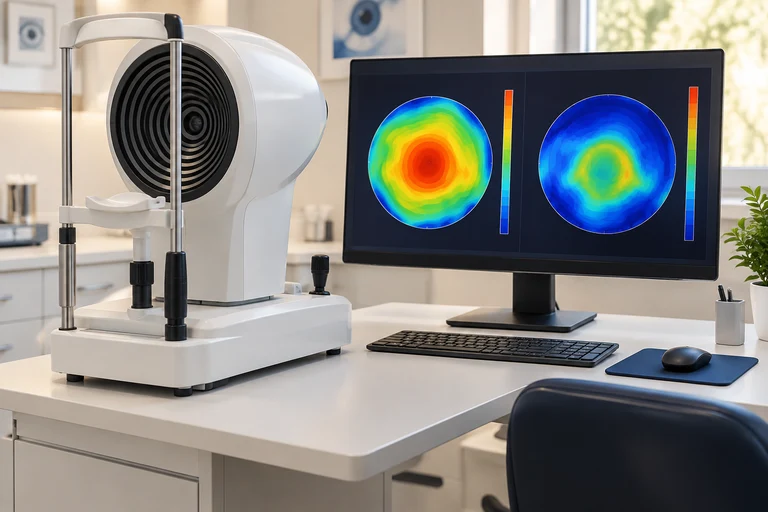
Contoura Vision is a topography-guided form of LASIK. Corneal surface measurements help plan excimer laser reshaping for eligible eyes. It remains a refractive operation with LASIK-related considerations, rather than a treatment for every eye disorder.
A personalised laser plan still begins with a suitable, healthy cornea.
Symptoms worth discussing
- A refractive error requiring glasses or contact lenses
- Interest in a personalised laser vision-correction plan
- Astigmatism that needs corneal mapping and prescription assessment
- Glare or visual quality concerns needing diagnosis rather than assumptions about surgery
A diagnosis before a decision
The surgeon reviews the consistency and quality of topography scans along with prescription, corneal thickness, tear health, and other eye findings. An irregular map can indicate a reason not to proceed. The branded name alone cannot establish that the technique is appropriate or available for your eyes.
Bring previous reports, a list of medicines and allergies, and any relevant operation notes. Tell your clinician about blood thinners, diabetes medicines, and previous anaesthetic problems. Do not stop medicines without advice.
Understanding your options
Optical Correction
Glasses or contact lenses remain valid alternatives to elective surgery.
Topography-Guided LASIK
When suitable, the corneal map contributes to a personalised treatment plan using the relevant laser platform.
Other Refractive Approaches
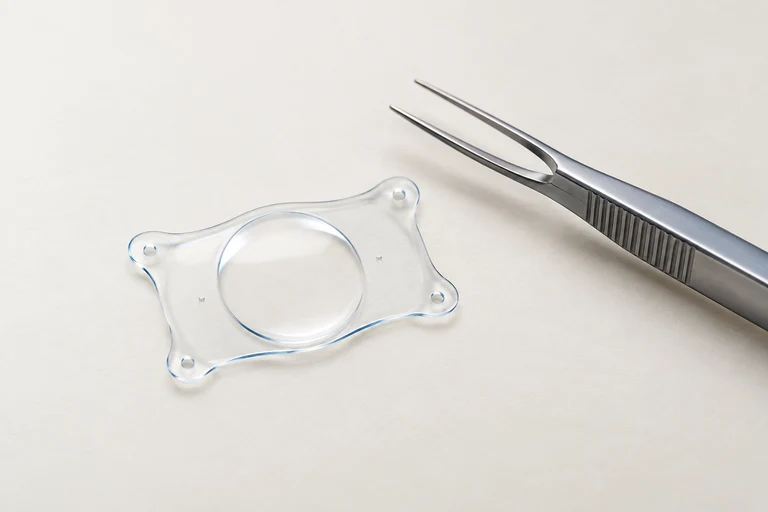
Conventional or other customised LASIK plans, surface laser, SMILE, or an implantable lens may be discussed based on examination findings.
What treatment can involve
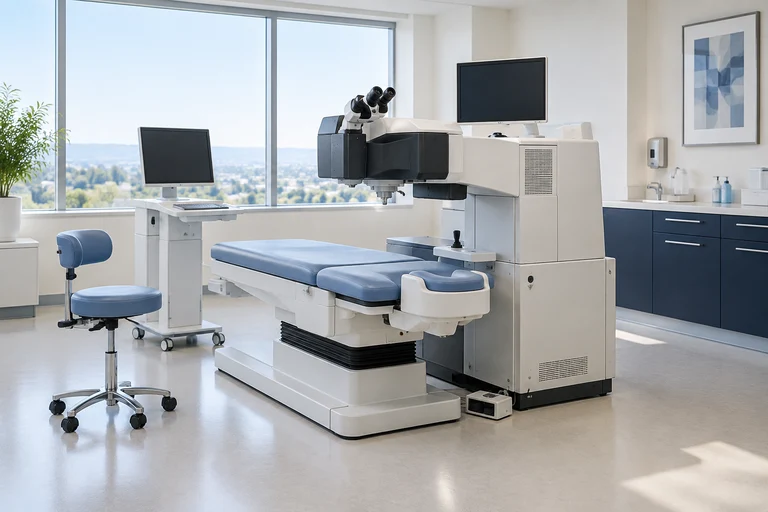
A LASIK flap is created and lifted, then the excimer laser applies the planned topography-guided correction. The flap is repositioned. Ask which platform and plan are proposed, how measurements are checked, and how follow-up or further correction would be handled.
Your treating team should explain preparation, fasting when needed, anaesthesia, consent, hospital stay, and who will be available if you have concerns after discharge.
Recovery at your pace
The eye needs prescribed drops, protection from rubbing, and follow-up while vision settles. Dryness and fluctuating clarity can affect early visual quality. Driving, sport, swimming, and work should resume according to individual advice rather than a marketing timeline.
Risks to discuss with your surgeon
- Dry eye, glare, halos, or night-vision difficulty
- Flap-related complications, infection, or inflammation
- Residual prescription, over-correction, or later change
- Corneal weakening or reduced visual quality; no guarantee of vision beyond normal standards
When to seek urgent care
Sudden loss of vision, a new curtain or shadow, flashes with many new floaters, or severe eye pain needs immediate in-person eye care. Do not wait for a WhatsApp reply.
Costs, insurance, and your location
For treatment in Mumbai or Navi Mumbai, request a written estimate after the clinical assessment. The procedure, hospital, anaesthesia, tests, devices or consumables, and follow-up can affect the total. Ask about exclusions and charges if the plan changes.
Insurance cover and cashless approval depend on your policy, diagnosis, hospital, and insurer. Confirm them directly before committing. No insurance approval or fixed price is implied by this guide.
Frequently asked questions
Is Contoura Vision a type of LASIK?
Yes. It is a topography-guided LASIK approach that uses corneal surface measurements in treatment planning.
Does personalised treatment guarantee better-than-normal vision?
No. Results depend on the eye, measurements, healing, and other factors. A branded or customised plan cannot guarantee a particular visual outcome.
Can it treat keratoconus or any irregular cornea?
Do not assume so. Corneal disease or suspicious mapping may make elective laser correction unsuitable and needs specialist assessment.
How should I compare the price with other procedures?
Compare the full assessment, proposed technique and device, aftercare, exclusions, and any further-treatment policy, alongside the clinical reasons for the recommendation.
Read More in The Care Guide
Practical questions, preparation, and aftercare for contoura vision.
Read the Detailed GuideSources & further reading
Educational information based on the sources below. This guide does not replace a personal clinical assessment.
Written by Nivaya Health Editorial Team. How we prepare our guides.