What you should know
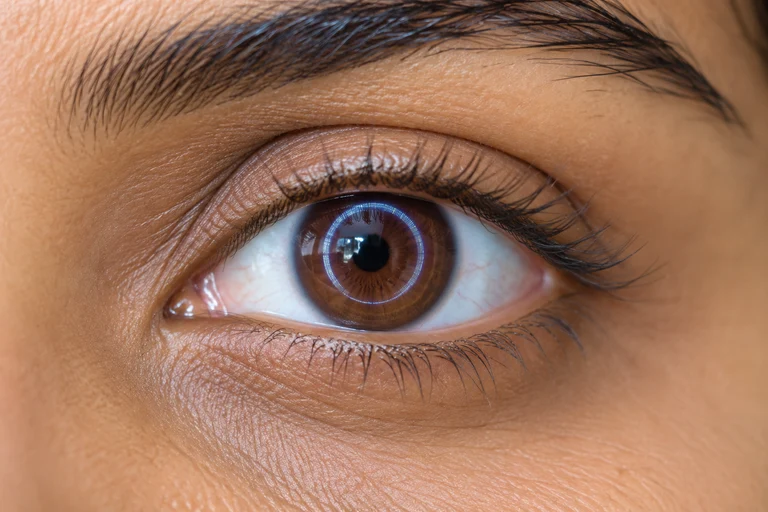
LASIK reshapes the cornea, the clear front surface of the eye, to correct suitable refractive errors. A thin flap is created before an excimer laser changes the underlying corneal shape. It does not treat cataracts, retinal disease, or every cause of blurred vision.
Good screening matters more than choosing a procedure by name.
Symptoms worth discussing
- Short-sightedness, long-sightedness, or astigmatism needing correction
- Difficulty with glasses or contact lenses in everyday life
- A prescription that needs a stability assessment before surgery
- Dryness, glare, or other symptoms that should be checked before choosing laser treatment
A diagnosis before a decision
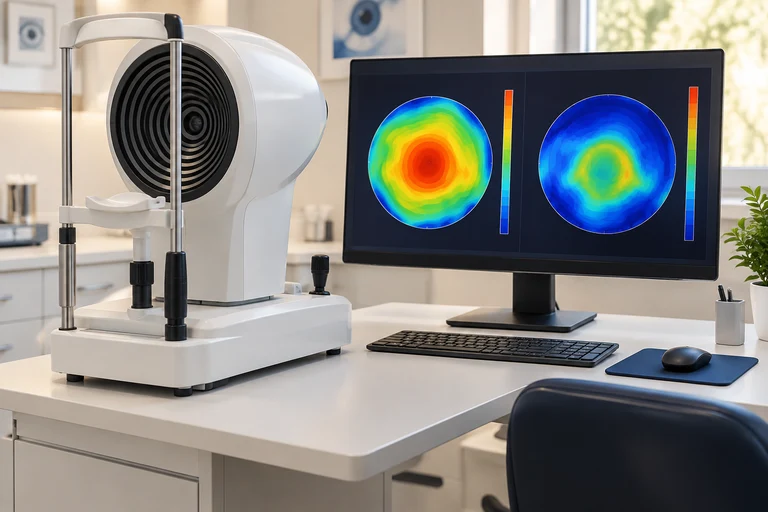
The assessment checks your prescription, corneal thickness and shape, tear film, and overall eye health. Corneal mapping helps identify irregularity or disease that could make surgery unsafe. Discuss changing prescriptions, pregnancy, previous eye surgery, medicines, and expectations about reading glasses. Contact lenses may need to be left out before measurements, following the clinic’s instructions.
Bring previous reports, a list of medicines and allergies, and any relevant operation notes. Tell your clinician about blood thinners, diabetes medicines, and previous anaesthetic problems. Do not stop medicines without advice.
Understanding your options
Glasses and Contact Lenses
Continuing optical correction is a reasonable choice. Surgery is optional when the aim is less dependence on glasses.
LASIK
A corneal flap and excimer laser correction may suit selected healthy eyes with appropriate measurements.
Other Refractive Procedures
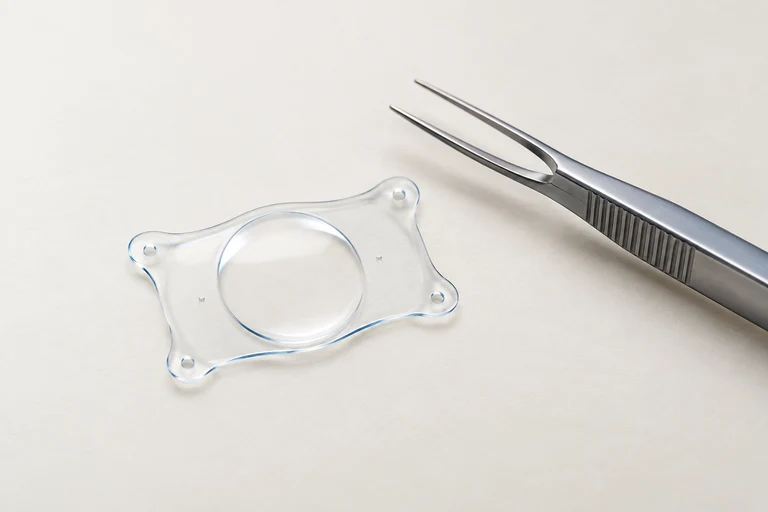
Surface laser treatment, SMILE, or an implantable lens may be considered when suitable. A different procedure is not automatically safer for your particular eyes.
What treatment can involve
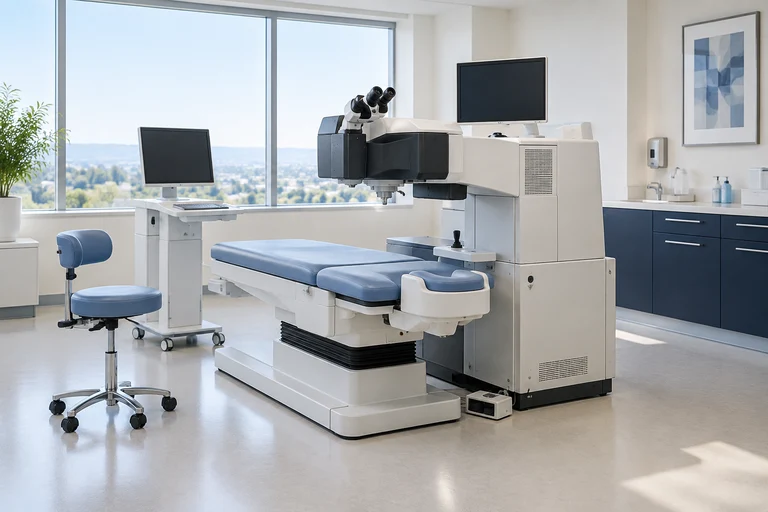
Numbing drops are used. The surgeon creates and lifts the flap, applies the planned laser correction, then repositions the flap. Measurements and treatment planning take longer than the laser application itself. You need a clear aftercare plan and transport home.
Your treating team should explain preparation, fasting when needed, anaesthesia, consent, hospital stay, and who will be available if you have concerns after discharge.
Recovery at your pace
Vision may fluctuate and the eyes may feel gritty or watery at first. Use prescribed drops, avoid rubbing, and attend the early checks. Driving, swimming, exercise, makeup, and screen-based work need individual advice. Clearer vision on the first day does not mean healing is complete.
Risks to discuss with your surgeon
- Dry eye, glare, halos, or difficulty with night vision
- Under-correction, over-correction, or later prescription changes
- Flap complications, infection, or corneal weakening
- Reduced visual quality or a need for further treatment; glasses may still be needed
When to seek urgent care
Sudden loss of vision, a new curtain or shadow, flashes with many new floaters, or severe eye pain needs immediate in-person eye care. Do not wait for a WhatsApp reply.
Costs, insurance, and your location
For treatment in Mumbai or Navi Mumbai, request a written estimate after the clinical assessment. The procedure, hospital, anaesthesia, tests, devices or consumables, and follow-up can affect the total. Ask about exclusions and charges if the plan changes.
Insurance cover and cashless approval depend on your policy, diagnosis, hospital, and insurer. Confirm them directly before committing. No insurance approval or fixed price is implied by this guide.
Frequently asked questions
Am I suitable for LASIK?
Suitability depends on prescription stability, corneal shape and thickness, tear health, and the rest of the eye examination. A glasses number alone cannot answer this.
Will I never need glasses again?
That cannot be promised. Residual prescription, healing, ageing, and future eye conditions can mean glasses are still needed.
Is LASIK the same as SMILE?
No. LASIK uses a corneal flap and excimer laser reshaping. SMILE removes a small lenticule through a small opening without a LASIK flap.
What should a LASIK estimate include?
Ask about assessment scans, treatment for each eye, medicines, planned follow-up, and the policy and charges for further treatment.
Read More in The Care Guide
Practical questions, preparation, and aftercare for lasik eye surgery.
Read the Detailed GuideSources & further reading
Educational information based on the sources below. This guide does not replace a personal clinical assessment.
Written by Nivaya Health Editorial Team. How we prepare our guides.