
What you should know
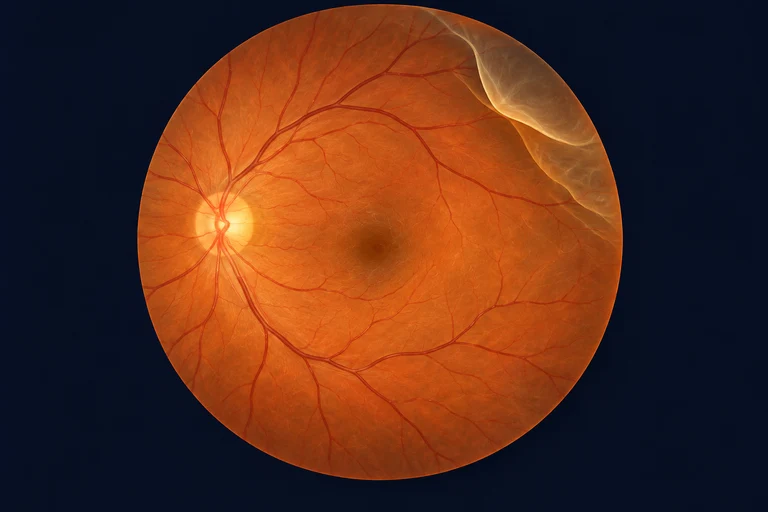
Diabetic retinopathy damages blood vessels in the retina. It can lead to leakage, retinal swelling, abnormal vessels, bleeding, and traction on the retina. Treatment depends on the stage and whether the central retina, called the macula, is affected.
Clear vision today does not replace a diabetic retinal examination.
Symptoms worth discussing
- No symptoms in some early stages
- Blurred or fluctuating central vision
- New floating spots, dark streaks, or cobweb-like shadows
- Sudden reduction in vision, which needs urgent assessment
A diagnosis before a decision
A dilated retinal examination assesses the stage of disease. OCT may measure swelling at the macula, and other imaging may be needed. Bring recent diabetes information, medicines, previous retinal treatments, and details of pregnancy or kidney and blood pressure problems when relevant.
Bring previous reports, a list of medicines and allergies, and any relevant operation notes. Tell your clinician about blood thinners, diabetes medicines, and previous anaesthetic problems. Do not stop medicines without advice.
Understanding your options
Monitoring and General Health Care
The retinal stage determines follow-up. Managing diabetes, blood pressure, and other health risks remains important alongside eye treatment.
Eye Injections or Retinal Laser
Anti-VEGF medicines, other selected injections, and laser address different aspects of retinal swelling or abnormal blood vessels. Repeat visits may be needed.
Vitrectomy
Surgery may be advised for selected persistent bleeding or scar tissue pulling on the retina. Not everyone with diabetic retinopathy needs an operation.
What treatment can involve
Your retina specialist should explain whether the aim is to treat central swelling, reduce the risk from abnormal vessels, or address a complication. Injection treatment, retinal laser, and vitrectomy have different preparation, consent, and follow-up requirements.
Your treating team should explain preparation, fasting when needed, anaesthesia, consent, hospital stay, and who will be available if you have concerns after discharge.
Recovery at your pace
Monitoring continues even after treatment because diabetes can continue to affect the retina. Keep injection or laser follow-ups and know whom to contact between visits. Vision may not improve immediately, and sometimes the main goal is preventing further loss.
Risks to discuss with your surgeon
- Injection-related infection, inflammation, pressure changes, or bleeding
- Laser-related changes in side or night vision in some treatment plans
- Cataract, retinal detachment, or further procedures after surgery
- Progression or permanent visual loss despite treatment
When to seek urgent care
Sudden new floaters, a curtain or shadow, or reduced vision needs urgent eye assessment. Following an eye injection or operation, worsening pain, redness, or vision loss must be reviewed urgently.
Costs, insurance, and your location
For treatment in Mumbai or Navi Mumbai, request a written estimate after the clinical assessment. The procedure, hospital, anaesthesia, tests, devices or consumables, and follow-up can affect the total. Ask about exclusions and charges if the plan changes.
Insurance cover and cashless approval depend on your policy, diagnosis, hospital, and insurer. Confirm them directly before committing. No insurance approval or fixed price is implied by this guide.
Frequently asked questions
Do I need retinal checks if I can see clearly?
Yes. Early diabetic retinopathy may have no symptoms. Ask your eye team for a screening schedule appropriate to your diabetes and retinal findings.
Does every patient need laser?
No. Stage, macular swelling, abnormal vessels, and previous treatment determine whether monitoring, injections, laser, or surgery is appropriate.
Are injections a one-time treatment?
Often they are not. The response and retinal scans guide repeat treatment and monitoring.
Can better sugar control replace eye treatment?
Managing diabetes is important, but it does not replace treatment already needed for sight-threatening retinal disease. Coordinate care with both teams.
Read More in The Care Guide
Practical questions, preparation, and aftercare for diabetic retinopathy.
Read the Detailed GuideSources & further reading
Educational information based on the sources below. This guide does not replace a personal clinical assessment.
Written by Nivaya Health Editorial Team. How we prepare our guides.