What you should know
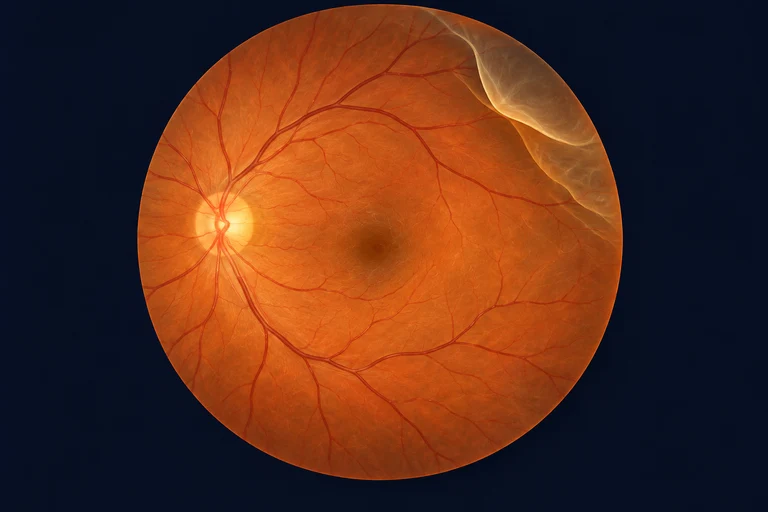
Vitrectomy removes vitreous gel from inside the eye so a retinal surgeon can treat selected conditions affecting the vitreous or retina. The operation may address a detached retina, diabetic bleeding, or other retinal problems. The underlying diagnosis determines the aim and expected result.
The aftercare plan is part of the operation, especially when gas is used.
Symptoms worth discussing
- Reduced vision from a diagnosed retinal or vitreous condition
- Persistent bleeding or cloudy vitreous affecting sight
- Retinal detachment or traction identified by a specialist
- New flashes, floaters, or a shadow needing urgent diagnosis before treatment planning
A diagnosis before a decision
The surgeon examines the retina and may use OCT or ultrasound depending on the view and condition. Ask what the operation is intended to change, whether the central retina is involved, and how existing cataract or glaucoma may affect care. Review medicines, previous eye surgery, and anaesthetic needs.
Bring previous reports, a list of medicines and allergies, and any relevant operation notes. Tell your clinician about blood thinners, diabetes medicines, and previous anaesthetic problems. Do not stop medicines without advice.
Understanding your options
Condition-specific Observation or Treatment
Monitoring, laser, injections, or another operation may be options for some diagnoses. The reason for recommending vitrectomy should be clear.
Vitrectomy With Retinal Treatment
Small openings allow removal of gel and treatment of bleeding, breaks, or traction when indicated.
Gas, Oil, or Combined Surgery
The eye may be supported with gas or silicone oil. Some cases need cataract surgery or another procedure as part of the wider plan.
What treatment can involve
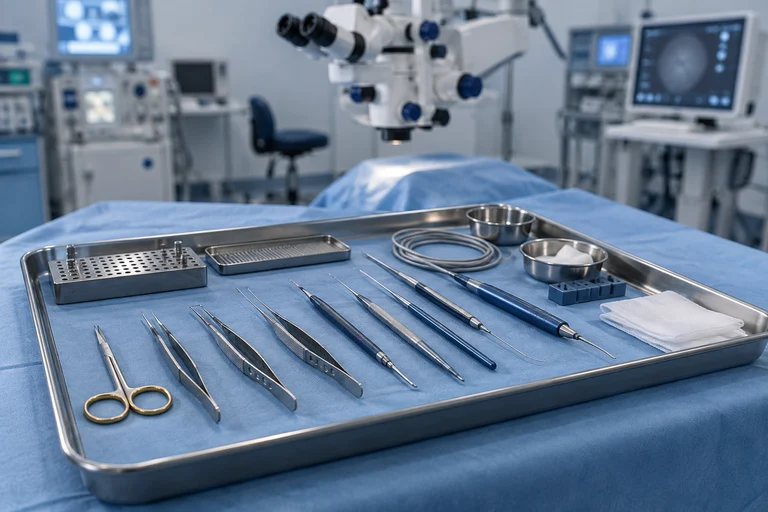
Under local or general anaesthesia, fine instruments enter through small eye-wall openings and remove vitreous. The surgeon performs the necessary retinal treatment and may leave a gas bubble or silicone oil. Ask which support is expected and what it changes about recovery.
Your treating team should explain preparation, fasting when needed, anaesthesia, consent, hospital stay, and who will be available if you have concerns after discharge.
Recovery at your pace
You may need prescribed drops, a protective shield, frequent reviews, and head positioning. With a gas bubble, avoid flying and high altitude until cleared and inform any anaesthetist before another procedure. Silicone oil may require later removal. Arrange practical help if positioning or reduced vision makes daily tasks difficult.
Risks to discuss with your surgeon
- Infection, bleeding, inflammation, or eye pressure changes
- Cataract development or progression
- Retinal tear, detachment, or a need for more surgery
- Persistent visual symptoms or permanent reduction in vision
When to seek urgent care
Sudden loss of vision, a new curtain or shadow, flashes with many new floaters, or severe eye pain needs immediate in-person eye care. Do not wait for a WhatsApp reply.
Costs, insurance, and your location
For treatment in Mumbai or Navi Mumbai, request a written estimate after the clinical assessment. The procedure, hospital, anaesthesia, tests, devices or consumables, and follow-up can affect the total. Ask about exclusions and charges if the plan changes.
Insurance cover and cashless approval depend on your policy, diagnosis, hospital, and insurer. Confirm them directly before committing. No insurance approval or fixed price is implied by this guide.
Frequently asked questions
Is vitrectomy the same as retinal detachment surgery?
It is one technique used for some detachments, but it also treats other conditions. Some retinal detachments are repaired with different techniques.
Will a gas bubble affect travel?
Yes. Do not fly or travel to high altitude until your retinal surgeon confirms it is safe. Tell other healthcare professionals you have an eye gas bubble.
Is silicone oil removed later?
It may be. Your specialist should explain the reason for using oil and the expected review and removal plan.
How long before I can work or drive?
That depends on the retinal condition, vision, positioning, support inside the eye, and your work. Get individual advice rather than a fixed online recovery date.
Read More in The Care Guide
Practical questions, preparation, and aftercare for vitrectomy.
Read the Detailed GuideSources & further reading
Educational information based on the sources below. This guide does not replace a personal clinical assessment.
Written by Nivaya Health Editorial Team. How we prepare our guides.