What you should know
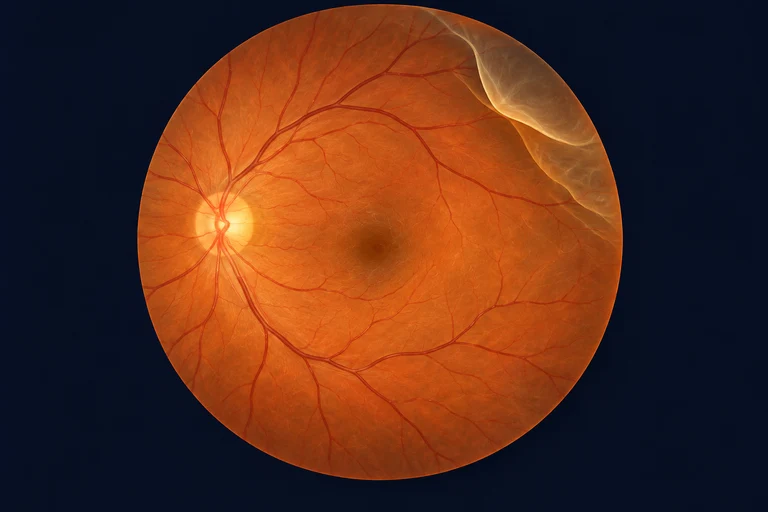
Retinal detachment occurs when the light-sensitive retina separates from its normal position at the back of the eye. It threatens vision and needs urgent specialist care. The repair depends on the type, location, extent, and whether the central retina is affected.
New retinal warning signs need urgent assessment, even without pain.
Symptoms worth discussing
- Sudden new flashes of light or many new floaters
- A dark curtain or shadow across part of your vision
- Sudden blurred or reduced vision
- A change that may be painless; lack of pain does not make it safe to wait
A diagnosis before a decision
Urgent examination usually includes dilating the pupil to inspect the retina. Ultrasound may help if blood or another opacity blocks the view. Tell the specialist when symptoms started, which eye is affected, and about high short-sightedness, injuries, earlier eye surgery, or previous retinal problems.
Bring previous reports, a list of medicines and allergies, and any relevant operation notes. Tell your clinician about blood thinners, diabetes medicines, and previous anaesthetic problems. Do not stop medicines without advice.
Understanding your options
Laser or Freezing for Selected Tears
A retinal tear without an established detachment may be sealed with laser or freezing treatment when the specialist considers it appropriate.
Pneumatic Retinopexy or Scleral Buckle
Selected detachments may be managed with a gas bubble, an external supporting band, or a combination of treatments.
Vitrectomy
Removing vitreous gel can allow the surgeon to treat retinal breaks and support reattachment with gas or silicone oil when needed.
What treatment can involve
The surgeon selects a repair based on the retinal findings. Laser or freezing may seal breaks, and a buckle, gas, oil, or more than one method may support the retina. The emergency plan should explain timing, anaesthesia, positioning, and the follow-up needed.
Your treating team should explain preparation, fasting when needed, anaesthesia, consent, hospital stay, and who will be available if you have concerns after discharge.
Recovery at your pace
Retinal healing and visual recovery take time. You may be asked to keep your head in a particular position. If gas is used, do not fly or travel to high altitude until your specialist clears it, and tell any anaesthetist about the bubble. Silicone oil may need a later removal operation.
Risks to discuss with your surgeon
- Persistent or recurrent detachment and further surgery
- Infection, bleeding, raised eye pressure, or cataract
- Scar tissue or incomplete visual recovery
- Permanent loss of vision despite an anatomically successful repair
When to seek urgent care
Flashes with new floaters, a new curtain or shadow, or sudden reduced vision requires immediate eye casualty or emergency assessment. Do not book a routine visit and wait for it. Symptoms in the other eye also need prompt attention.
Costs, insurance, and your location
For treatment in Mumbai or Navi Mumbai, request a written estimate after the clinical assessment. The procedure, hospital, anaesthesia, tests, devices or consumables, and follow-up can affect the total. Ask about exclusions and charges if the plan changes.
Insurance cover and cashless approval depend on your policy, diagnosis, hospital, and insurer. Confirm them directly before committing. No insurance approval or fixed price is implied by this guide.
Frequently asked questions
Is retinal detachment an emergency?
Yes. Prompt assessment is important to protect vision. Go to an eye emergency service or emergency department if these symptoms occur.
Does every detachment need the same operation?
No. The break location, extent, retinal scarring, and other findings determine the repair.
Can I fly with a gas bubble in my eye?
No, until your retinal specialist confirms the bubble has gone and clears flying. Pressure changes can be dangerous.
Will surgery restore all my vision?
That cannot be guaranteed. Timing, involvement of the central retina, the cause, and the response to treatment influence the result.
Read More in The Care Guide
Practical questions, preparation, and aftercare for retinal detachment.
Read the Detailed GuideSources & further reading
Educational information based on the sources below. This guide does not replace a personal clinical assessment.
Written by Nivaya Health Editorial Team. How we prepare our guides.