What you should know
Glaucoma describes a group of conditions that damage the optic nerve. Treatment aims to reduce the risk of further damage, commonly by lowering eye pressure. Lost vision is usually permanent, which makes early diagnosis and continued monitoring important.
Protecting vision means checking for change, not waiting for symptoms.
Symptoms worth discussing
- Often no obvious symptoms in early open-angle glaucoma
- Gradual loss of side vision or blind spots
- A family history or previous finding of raised eye pressure
- Sudden painful red eye, blurred vision, halos, or nausea, which may be an emergency
A diagnosis before a decision
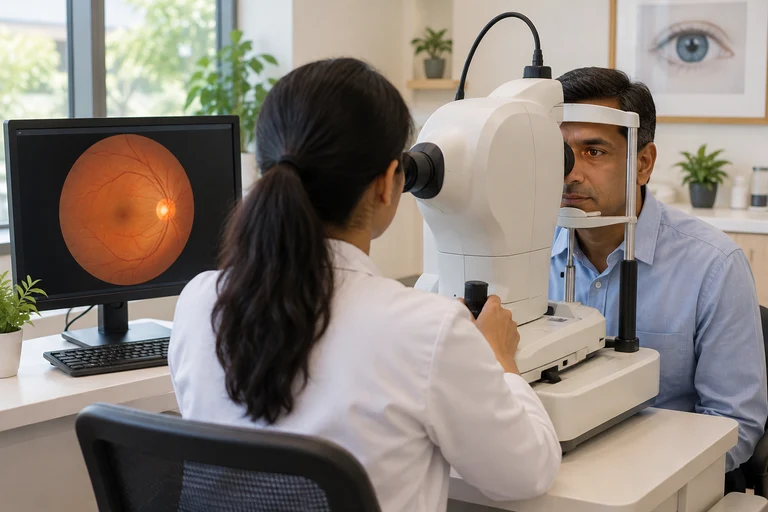
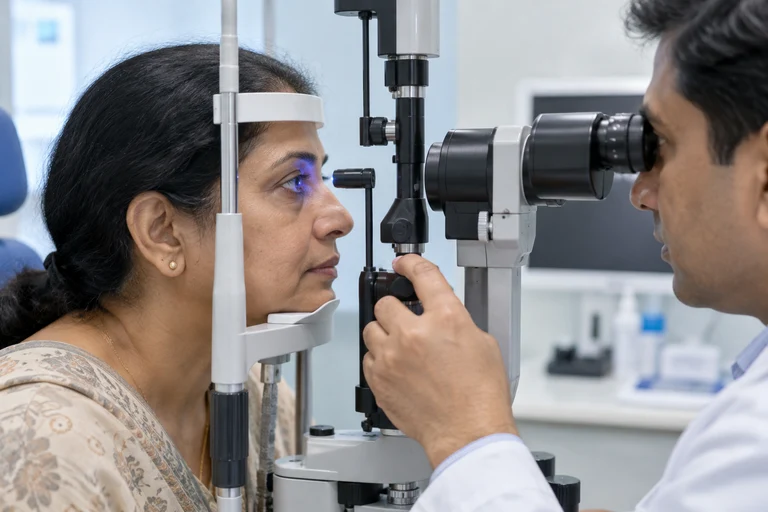
The examination may include pressure measurements, optic nerve assessment, visual field testing, imaging such as OCT, and inspection of the drainage angle. A single pressure reading does not tell the whole story. Bring old test results so the specialist can assess change over time.
Bring previous reports, a list of medicines and allergies, and any relevant operation notes. Tell your clinician about blood thinners, diabetes medicines, and previous anaesthetic problems. Do not stop medicines without advice.
Understanding your options
Prescription Eye Drops
Drops can lower pressure when used as directed. Technique, side effects, and adherence are part of the treatment discussion.
Laser Treatment
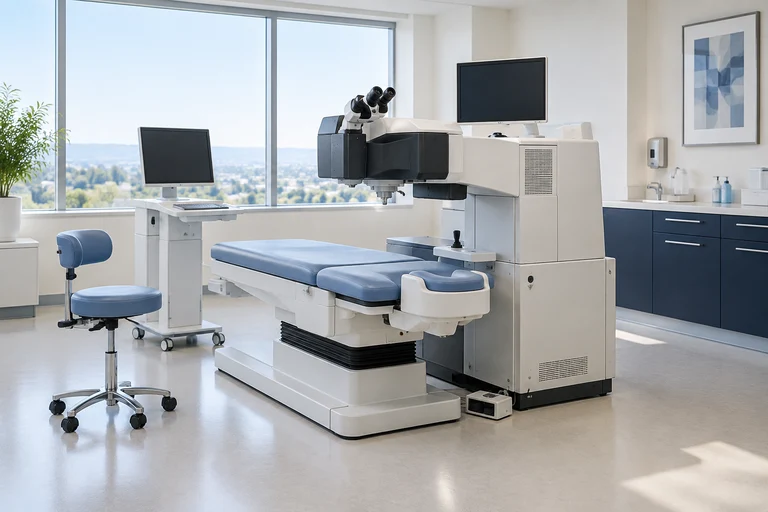
The type of glaucoma and angle findings determine whether a pressure-lowering laser or an iridotomy is appropriate. These are different procedures.
Glaucoma Surgery
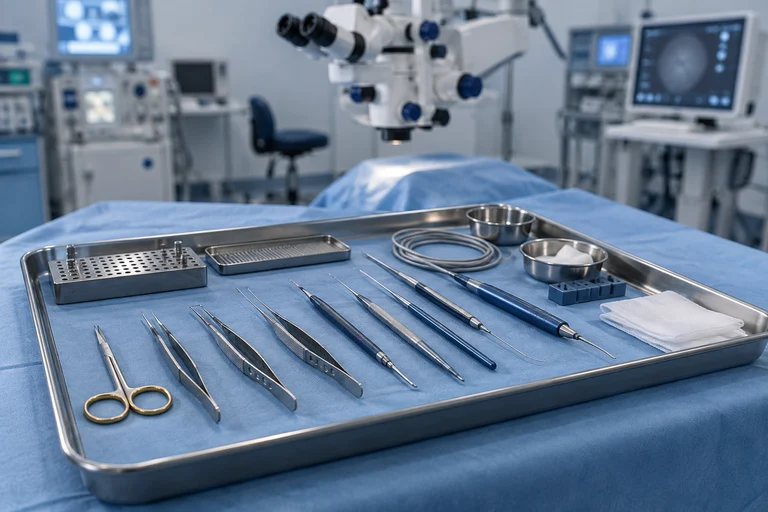
Drainage surgery, drainage implants, or selected minimally invasive procedures may be considered when indicated. Surgery still requires follow-up and may not eliminate drops.
What treatment can involve
There is no single glaucoma operation for everyone. The specialist chooses a target pressure and explains how the proposed drops, laser, or surgery will help reach it. Discuss what progression has been seen, alternatives, and how success will be monitored.
Your treating team should explain preparation, fasting when needed, anaesthesia, consent, hospital stay, and who will be available if you have concerns after discharge.
Recovery at your pace
After a laser or operation, use medicines exactly as instructed and keep all pressure checks. Early symptoms alone cannot reliably show whether pressure is controlled. Do not stop glaucoma drops because vision feels unchanged unless your treating team changes the plan.
Risks to discuss with your surgeon
- Drop-related irritation, allergy, or other medicine side effects
- Temporary pressure changes or inflammation after laser
- Infection, bleeding, very low or high pressure after surgery
- Scarring, further procedures, or continued loss of vision despite treatment
When to seek urgent care
A sudden painful red eye with blurred vision, halos, headache, nausea, or vomiting needs emergency assessment. Sudden loss of vision is an emergency even without pain.
Costs, insurance, and your location
For treatment in Mumbai or Navi Mumbai, request a written estimate after the clinical assessment. The procedure, hospital, anaesthesia, tests, devices or consumables, and follow-up can affect the total. Ask about exclusions and charges if the plan changes.
Insurance cover and cashless approval depend on your policy, diagnosis, hospital, and insurer. Confirm them directly before committing. No insurance approval or fixed price is implied by this guide.
Frequently asked questions
Can glaucoma be cured?
Treatment cannot usually reverse optic nerve damage. It aims to protect remaining vision and needs continued monitoring.
Does normal eye pressure rule out glaucoma?
No. Diagnosis considers the optic nerve, visual fields, pressure, and other findings together.
Will surgery mean I can stop every eye drop?
Not necessarily. Some people still need drops or additional procedures. Only your treating team should change the regimen.
Should family members have an eye examination?
A family history can increase risk. Relatives should discuss screening and an appropriate examination schedule with an eye-care professional.
Read More in The Care Guide
Practical questions, preparation, and aftercare for glaucoma treatment.
Read the Detailed GuideSources & further reading
Educational information based on the sources below. This guide does not replace a personal clinical assessment.
Written by Nivaya Health Editorial Team. How we prepare our guides.