
What you should know
A squint, or strabismus, means the eyes do not point in the same direction. Surgery changes the position or action of selected eye muscles to improve alignment. Glasses, treatment for reduced vision, and other measures can remain important before or after an operation.
Eye alignment and the vision in each eye need separate attention.
Symptoms worth discussing
- One eye turning in, out, up, or down
- Double vision or difficulty using the eyes together
- Closing an eye or turning the head to see more comfortably
- Concern about a child’s eye alignment or visual development
A diagnosis before a decision
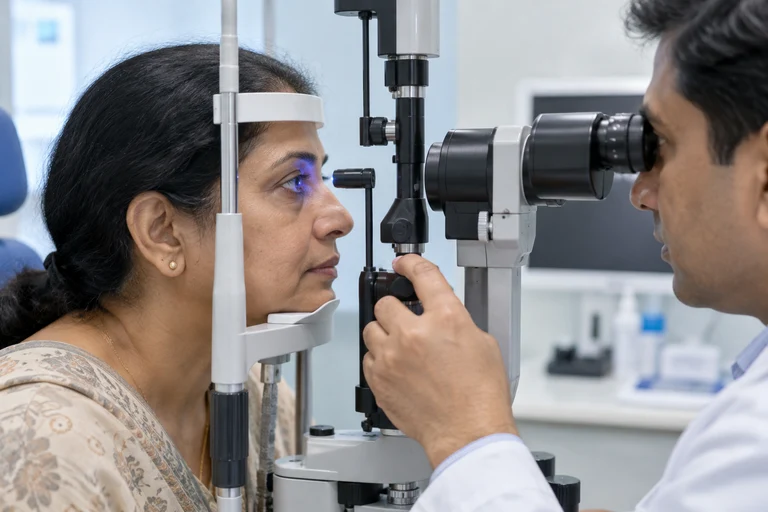
An ophthalmologist and, when involved, an orthoptist assess vision in each eye, glasses prescription, eye movements, and the size of the deviation. Children may need treatment for amblyopia, sometimes called lazy eye. A newly appearing squint or double vision in an adult needs assessment for an underlying cause.
Bring previous reports, a list of medicines and allergies, and any relevant operation notes. Tell your clinician about blood thinners, diabetes medicines, and previous anaesthetic problems. Do not stop medicines without advice.
Understanding your options
Glasses and Vision Treatment
Correcting a refractive error and treating amblyopia may be essential. Eye patching treats reduced vision in selected children, not every type of misalignment.
Non-surgical Alignment Measures
Prisms or other measures can help selected symptoms. Suitability depends on the pattern and cause.
Eye Muscle Surgery
The surgeon adjusts one or more muscles in one or both eyes. Adjustable sutures may be considered in suitable cases.
What treatment can involve
Through the tissue covering the white of the eye, the surgeon repositions or shortens selected muscles. The eye is not removed from its socket. The anaesthetic and muscle plan depend on age, measurements, previous surgery, and the intended improvement.
Your treating team should explain preparation, fasting when needed, anaesthesia, consent, hospital stay, and who will be available if you have concerns after discharge.
Recovery at your pace
Redness, a gritty sensation, and temporary changes in double vision can occur. Use prescribed drops and follow activity instructions. Alignment is reviewed as healing settles. Glasses or amblyopia treatment may still be needed, and some people require another operation.
Risks to discuss with your surgeon
- Over-correction, under-correction, or recurrence of the squint
- Temporary or persistent double vision
- Infection, scarring, or problems with a muscle or stitch
- Rare injury to the eye or loss of vision, and anaesthetic risks
When to seek urgent care
Sudden double vision or a new squint needs urgent assessment, especially with severe headache, weakness, drooping eyelid, or other neurological symptoms. Severe pain or worsening vision after surgery also needs urgent care.
Costs, insurance, and your location
For treatment in Mumbai or Navi Mumbai, request a written estimate after the clinical assessment. The procedure, hospital, anaesthesia, tests, devices or consumables, and follow-up can affect the total. Ask about exclusions and charges if the plan changes.
Insurance cover and cashless approval depend on your policy, diagnosis, hospital, and insurer. Confirm them directly before committing. No insurance approval or fixed price is implied by this guide.
Frequently asked questions
Is squint surgery only for children?
No. Adults may also benefit after assessment of alignment, double vision, and treatment goals.
Does surgery cure a lazy eye?
Muscle surgery changes alignment. Reduced vision from amblyopia may need separate age-appropriate treatment.
Will one eye or both eyes be operated on?
That depends on the type and size of the squint and previous treatment. Surgery can involve both eyes even when one appears to turn.
Can the squint return?
Yes. Alignment may change and further treatment may be required. Discuss the intended result and the possibility of another procedure.
Read More in The Care Guide
Practical questions, preparation, and aftercare for squint surgery.
Read the Detailed GuideSources & further reading
Educational information based on the sources below. This guide does not replace a personal clinical assessment.
Written by Nivaya Health Editorial Team. How we prepare our guides.