What you should know
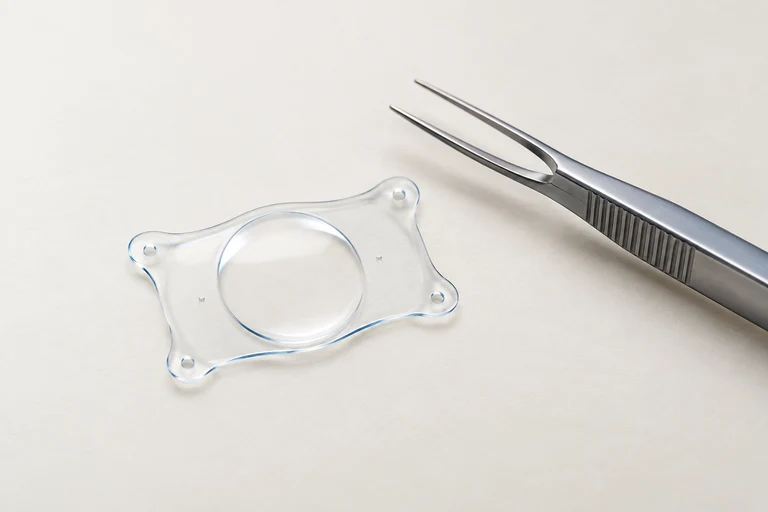
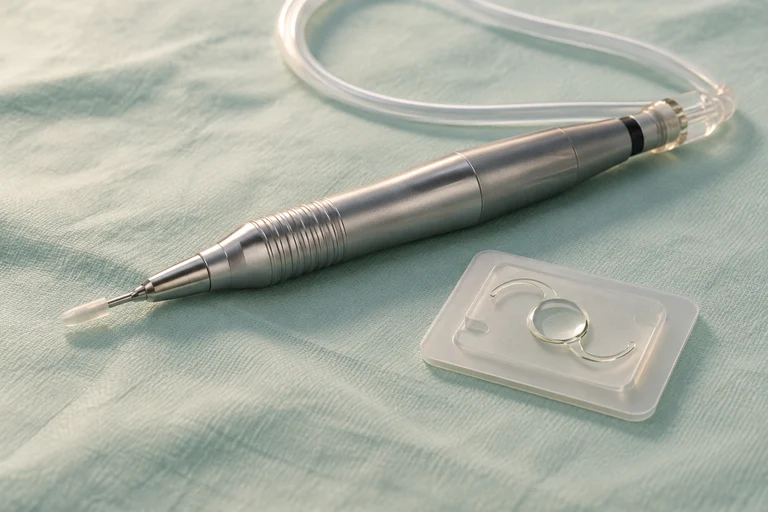
Phacoemulsification, often shortened to phaco, uses ultrasound energy to break up a cloudy natural lens so it can be removed through a small opening. An artificial intraocular lens is usually inserted into the remaining lens capsule. Phaco is a type of cataract surgery, not a separate diagnosis.
Phaco describes the removal technique. Lens choice needs its own discussion.
Symptoms worth discussing
- Blurred or cloudy vision caused by a diagnosed cataract
- Glare affecting reading, travel, or night-time activities
- Vision that remains limited despite an appropriate glasses prescription
- Difficulty with daily tasks that warrants a cataract assessment
A diagnosis before a decision
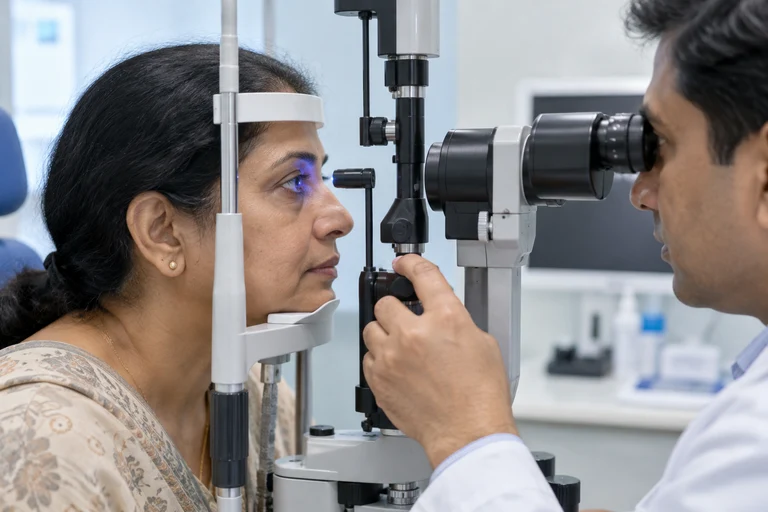
The surgeon evaluates the cataract and the rest of the eye, then uses biometry to plan lens power. Cataract density, corneal health, pupil size, retinal findings, and previous surgery affect the approach. Tell the team about diabetes, medicines, and earlier laser vision correction.
Bring previous reports, a list of medicines and allergies, and any relevant operation notes. Tell your clinician about blood thinners, diabetes medicines, and previous anaesthetic problems. Do not stop medicines without advice.
Understanding your options
Observation When Appropriate
If the cataract does not significantly affect daily life, monitoring or updated glasses may be reasonable.
Phacoemulsification
Ultrasound fragments the lens for removal through a small opening, followed by an artificial lens when suitable.
Other Cataract Techniques
Some cataracts or eye conditions call for another approach. Lens design is a separate decision from the method used to remove the cataract.
What treatment can involve
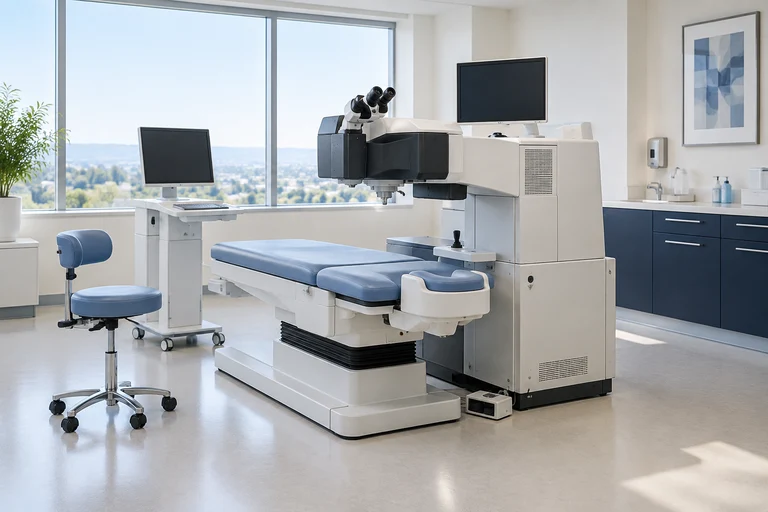
After anaesthesia and preparation, a small opening is made, the front of the lens capsule is opened, and ultrasound helps fragment and remove the cloudy lens. The implant is placed in the retained capsule when possible. Unexpected findings may require a change in technique.
Your treating team should explain preparation, fasting when needed, anaesthesia, consent, hospital stay, and who will be available if you have concerns after discharge.
Recovery at your pace
Drops, eye protection, activity advice, and follow-up are part of care. Vision can improve gradually and a later glasses assessment may be needed. Ask when it is safe to wash normally, work, exercise, drive, and travel. A small incision does not eliminate recovery needs.
Risks to discuss with your surgeon
- Capsule damage, inflammation, bleeding, or infection
- Corneal or retinal swelling and pressure changes
- Retinal detachment or reduced vision
- Residual prescription, lens-related symptoms, or a need for another procedure
When to seek urgent care
Sudden loss of vision, a new curtain or shadow, flashes with many new floaters, or severe eye pain needs immediate in-person eye care. Do not wait for a WhatsApp reply.
Costs, insurance, and your location
For treatment in Mumbai or Navi Mumbai, request a written estimate after the clinical assessment. The procedure, hospital, anaesthesia, tests, devices or consumables, and follow-up can affect the total. Ask about exclusions and charges if the plan changes.
Insurance cover and cashless approval depend on your policy, diagnosis, hospital, and insurer. Confirm them directly before committing. No insurance approval or fixed price is implied by this guide.
Frequently asked questions
Is phaco laser surgery?
Standard phacoemulsification uses ultrasound to break up the lens. Laser assistance may be used for selected steps in some cataract plans, but that is a separate detail to confirm.
Is phaco better than every other cataract technique?
No single technique suits every eye. Cataract density, anatomy, other eye conditions, and surgical judgment determine the approach.
Does phaco determine which lens I receive?
No. The removal technique and the choice of replacement lens are related planning decisions but are not the same thing.
Will both eyes need identical lens powers?
Not necessarily. Each eye is measured and planned individually, with your overall visual needs considered.
Read More in The Care Guide
Practical questions, preparation, and aftercare for phaco surgery.
Read the Detailed GuideSources & further reading
Educational information based on the sources below. This guide does not replace a personal clinical assessment.
Written by Nivaya Health Editorial Team. How we prepare our guides.